

The 10 AI stories I loved working on most in 2025
Inside the reporting that defined my year covering AI.

I’m SO not interested in making AI predictions for 2026. There are so many hot takes out there, and in a field where things seem to change every week, I’m over everyone’s confident certainty.
As a new year begins, though, I’d like to take a quick look over my shoulder at how my Fortune reporting played out over the past twelve months. So, I’m sharing ten AI stories I loved working on most in 2025, and why I enjoyed taking them on.
Happy new year!
Inside the AI talent wars where research scientists get multimillion-dollar stock grants and wooed by Mark Zuckerberg
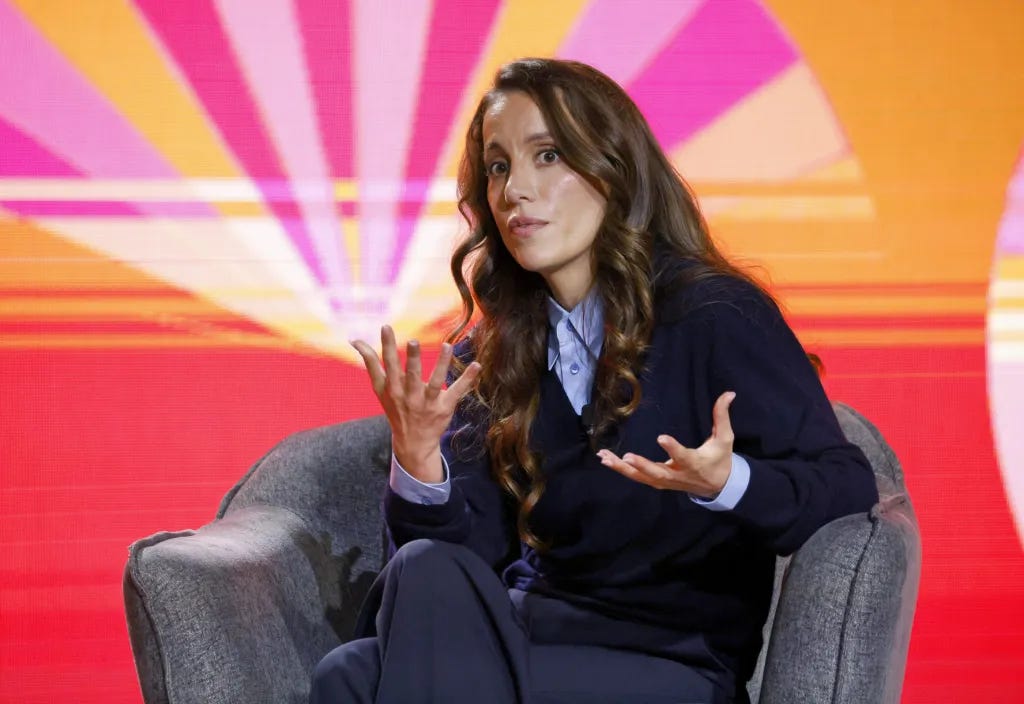
Back in March, I dug into the high-stakes AI talent wars, even before Meta began spending hundreds of millions on AI researchers.
As AI-mania sweeps the tech industry and reshapes business strategies, the race is on to lock down the specialists with the coveted technological skills and know-how. The most intense battle is over a small pool of AI research scientists — estimated to be fewer than 1,000 individuals worldwide, according to several industry insiders Fortune spoke with — with the qualifications to build today’s most advanced large language models.
Meta’s AI research lab is ‘dying a slow death,’ some insiders say. Meta prefers to call it ‘a new beginning’
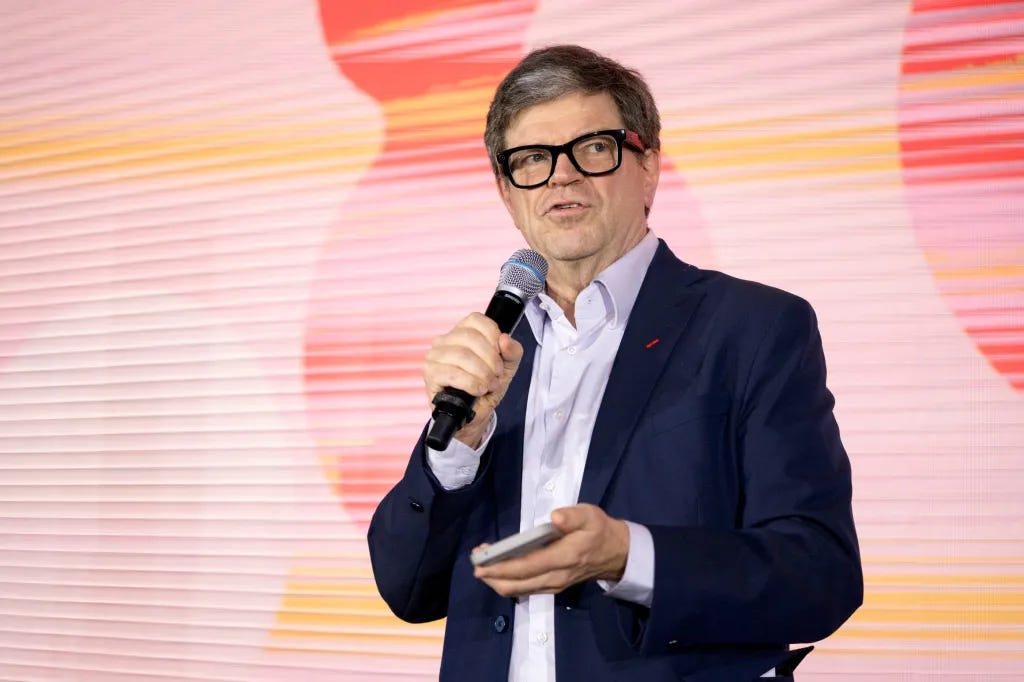
In April, Meta’s head of AI research, Joelle Pineau, announced her departure leading many to wonder what was going on with FAIR, the famed Meta AI lab Pineau had led for the past two years and joined in 2017. I made it my mission to find out — months before Meta brought on Alexandr Wang as head of its new Superintelligence unit and sidelined FAIR even further.
The lab has been “dying a slow death,” according to one former Meta employee who spoke to Fortune, echoing a sentiment from other ex–FAIR team members. Pineau’s departure, in this view, can be interpreted as the lab’s death rattle.
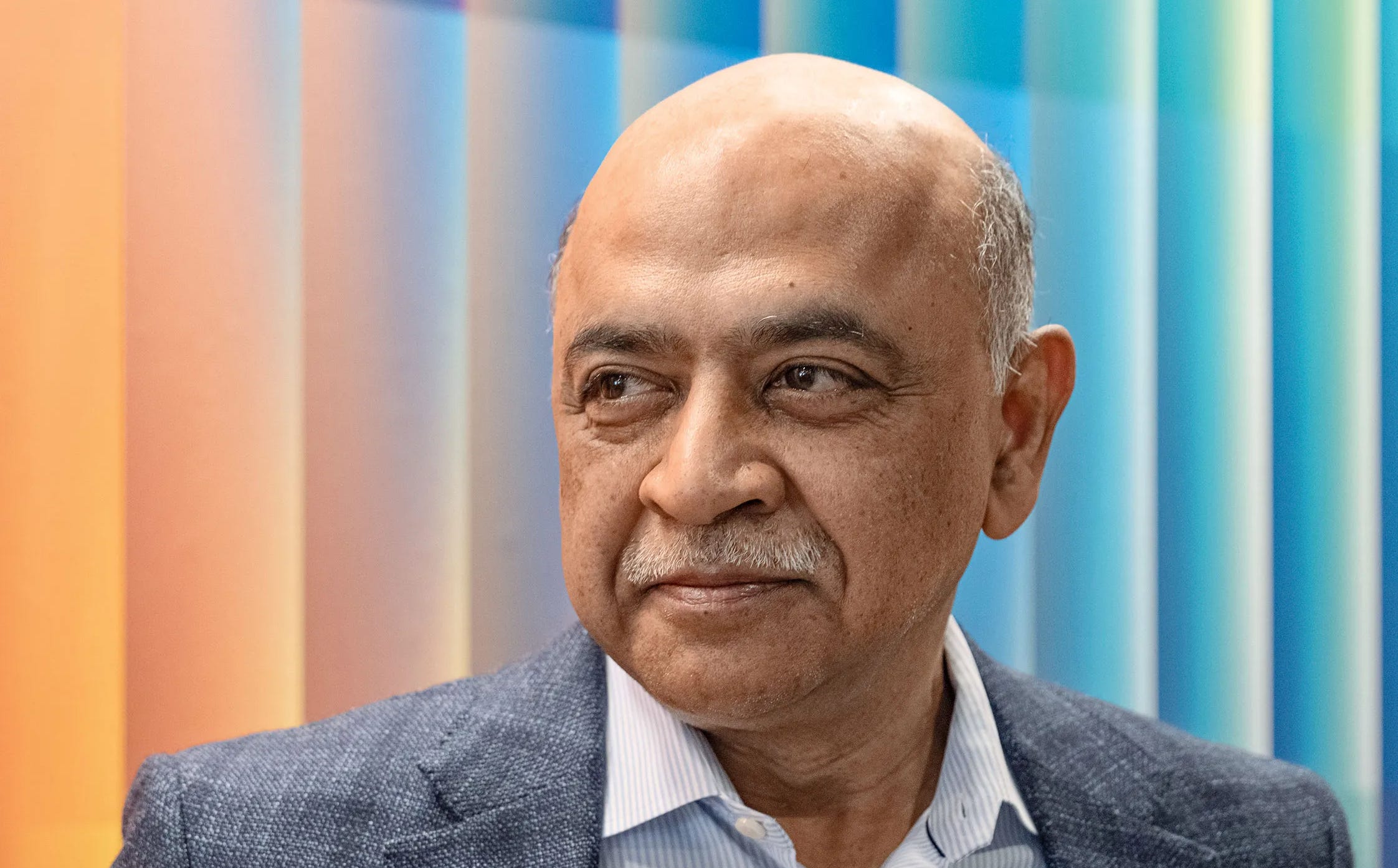
Inside IBM’s rebound: Can CEO Arvind Krishna bring the tech company back to its former glory?
It was really exciting to work on this extensive feature story for Fortune’s print magazine in June. I had suggested it to my editors as IBM’s stock soared — focusing on Krishna as IBM’s first-ever CEO with a research and engineering background, who has helped IBM shed its vintage image.
The IBM Watson Research Center in Yorktown Heights, N.Y., is a midcentury modern marvel of sweeping curves and soaring glass. Designed in the early 1960s and nestled in rolling hills north of New York City, the building was the final project of the visionary architect Eero Saarinen, known for futuristic designs that captured the spirit of technological advancement, like the Gateway Arch in St. Louis and the TWA Flight Center at JFK airport. The iconic architecture is a striking reminder of what IBM once represented: relentless innovation, industry-shaping technologies, and undisputed dominance.
Alexandr Wang is now leading Meta’s AI dream team. Will Mark Zuckerberg’s big bet pay off?
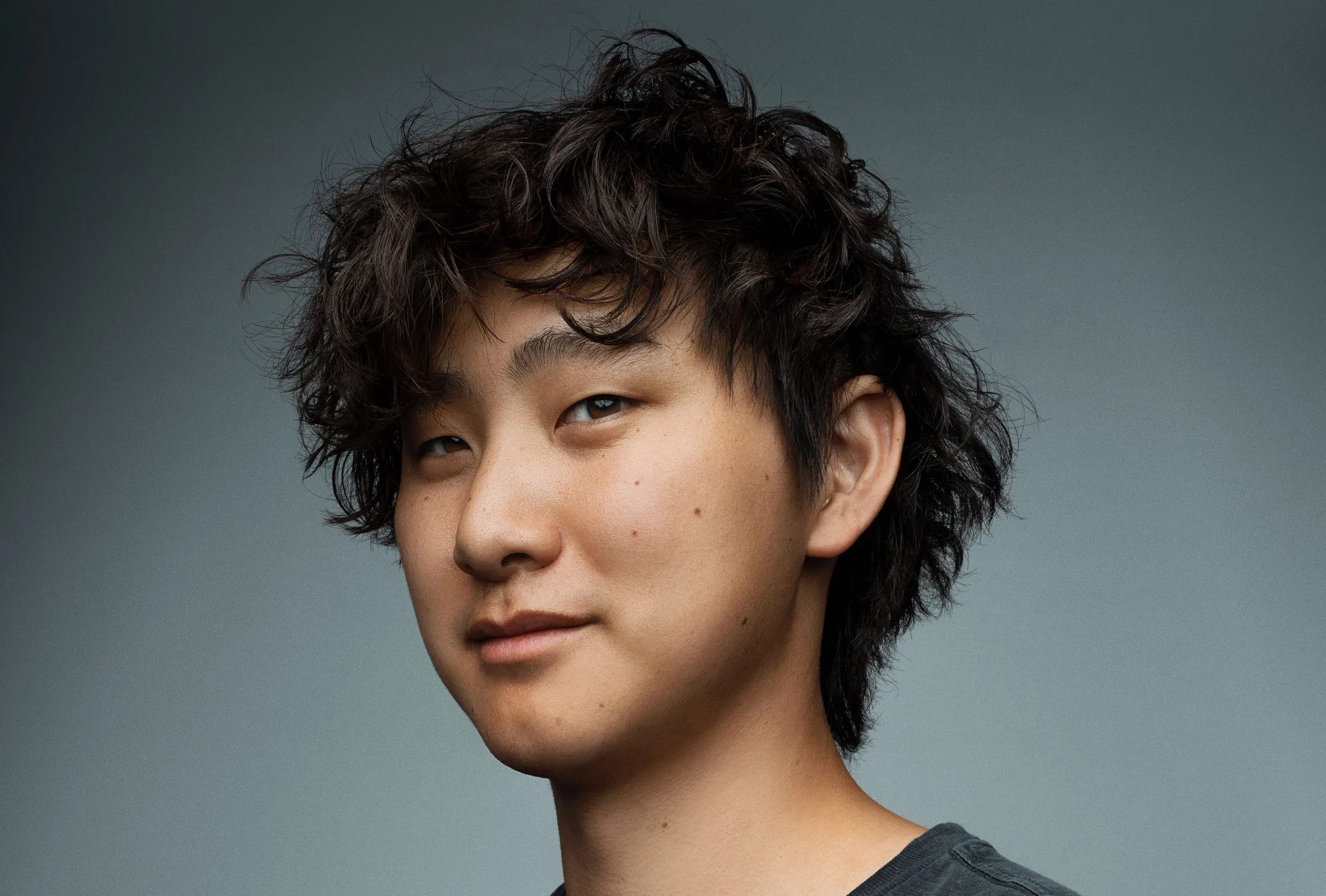
I’ll be honest. I don’t always love the kind of gossipy, personality-driven reporting that hinges on excavating a subject’s personal life. However, I couldn’t help but be fascinated by the nuggets I uncovered for this July Fortune cover story about former Scale AI founder Alexandr Wang in the wake of his joining Meta.
In the summer of 2016, Alexandr Wang was a 19-year-old building his data-labeling startup, Scale AI, in a Silicon Valley pool house with his cofounder, Lucy Guo, while the two participated in the Y Combinator startup accelerator. When not working, the two founders slept on air mattresses and pondered the fledgling business’s potential. Less than a decade later, the pool house project has reset expectations and plans across the tech industry’s highest levels. In June, Mark Zuckerberg handed the now 28-year-old Wang the keys to Meta’s entire AI operations as part of a $14.3 billion investment in Scale AI.
Silicon Valley’s elite descend on D.C. to celebrate Trump’s AI Action Plan in a surreal fusion of podcast and policy
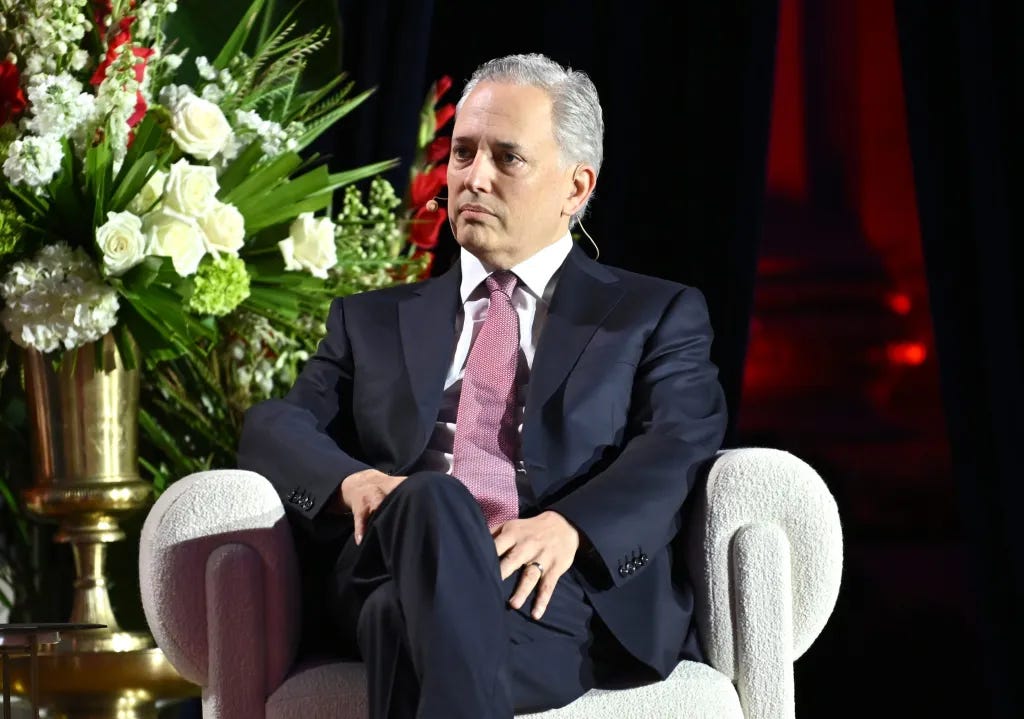
100% this was the craziest event I went to all year: A live podcast in July called “Winning the AI Race,” to celebrate Trump’s new AI Action Plan in the nation’s capital — hosted by the All-In podcast and Hill and Valley, a coalition of American legislators and tech investors.
Sitting on plush white chairs and backed by American flags, patriotic music, and flashy videos of giant data centers and factories, the event’s hosts (the podcast’s self-described “besties”) and guests discussed the AI arms race with China, supply-chain risks, health care, education, and “giving the American workers superpowers.”
Inside the Anthropic ‘Red Team’ tasked with breaking its AI models—and burnishing the company’s reputation for safety
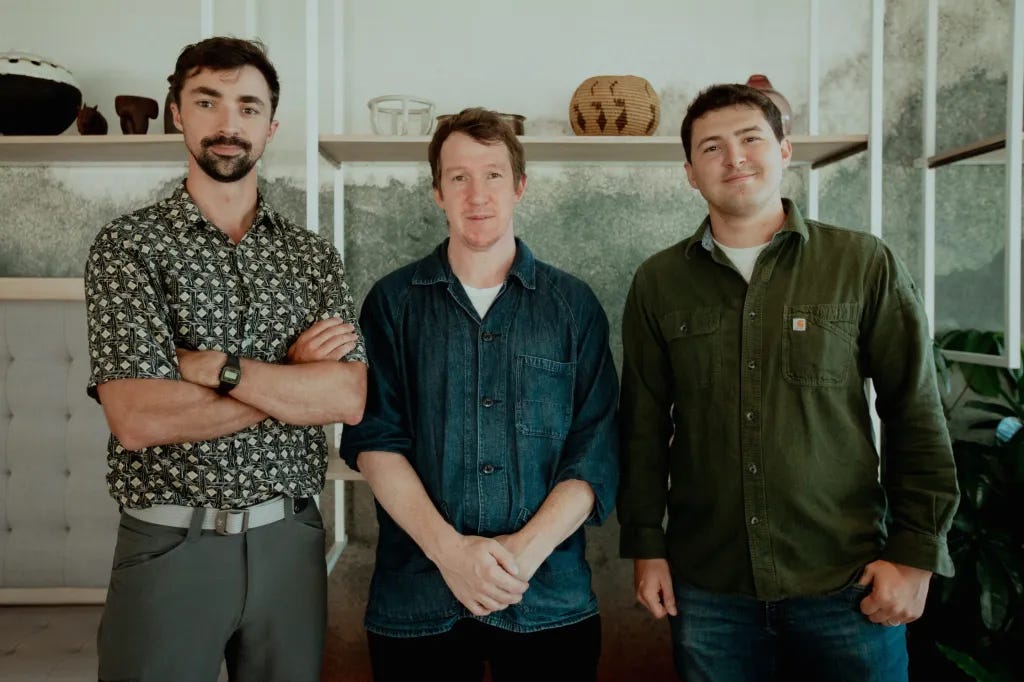
For the past two years, I have spent a week in August freezing inside and sweltering outside in Las Vegas — while attending the BlackHat cybersecurity conference and the DEF CON hacker gathering. I was psyched this year to have the chance to meet some of Anthropic’s Frontier Red Team, which works on stress-testing its own Claude AI systems. They are a super-interesting crew.
Last month, at the 33rd annual DEF CON, the world’s largest hacker convention, in Las Vegas, Anthropic researcher Keane Lucas took the stage. A former U.S. Air Force captain with a PhD in electrical and computer engineering from Carnegie Mellon, Lucas wasn’t there to unveil flashy cybersecurity exploits. Instead, he showed how Claude, Anthropic’s family of large language models, has quietly outperformed many human competitors in hacking contests—the kind used to train and test cybersecurity skills in a safe, legal environment.
I met Sam Altman in Texas. He’s turning the race for AI into a gigawatt arms race
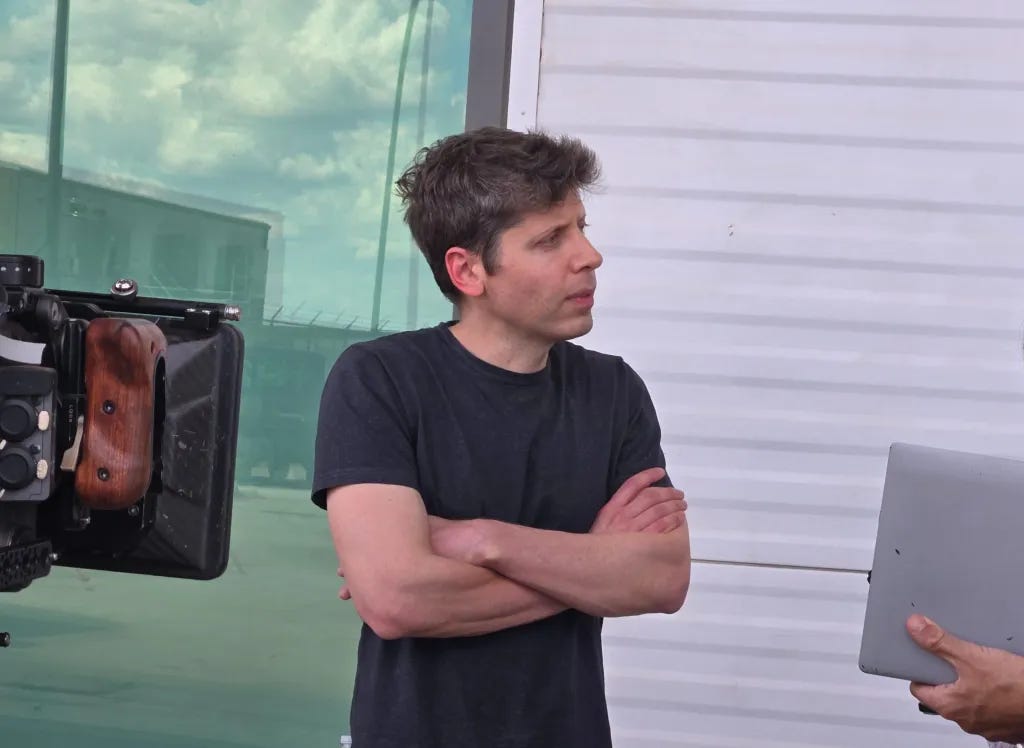
Yes, in September I finally met OpenAI CEO Sam Altman. I had been invited to Abilene, Texas — 3 hours west of Dallas — for a media event to tout the progress of the high-profile and ambitious “Stargate” AI infrastructure project. I was astonished at Altman’s explanation to me, after a quick handshake before the press gaggle, that companies like OpenAI don’t even bother counting GPUs anymore. The unit of measure has become gigawatts: how much electricity the entire fleet of chips consumes.
I told Altman that the scene in Abilene reminded me a bit of a tour I recently took of Hoover Dam, one of the great engineering feats of the 20th century that produces about 2 gigawatts of power at capacity. In the 1930s, Hoover Dam was a symbol of American industrial might: concrete, turbines, and power on a scale no one had imagined. Altman acknowledged that “people like to pick their historical analogies” and thought the “vibe was right” to compare Stargate to Hoover Dam. It wasn’t his own personal favorite, however: “A recent thing I’ve thought about is airplane factories,” he said. “The history of what went into airplane factories, or container ships, the whole industry that came around those,” he said.
How a 23-year-old former OpenAI researcher turned a viral AI prophecy into profit, with a $1.5 billion hedge fund and outsize influence from Silicon Valley to D.C.
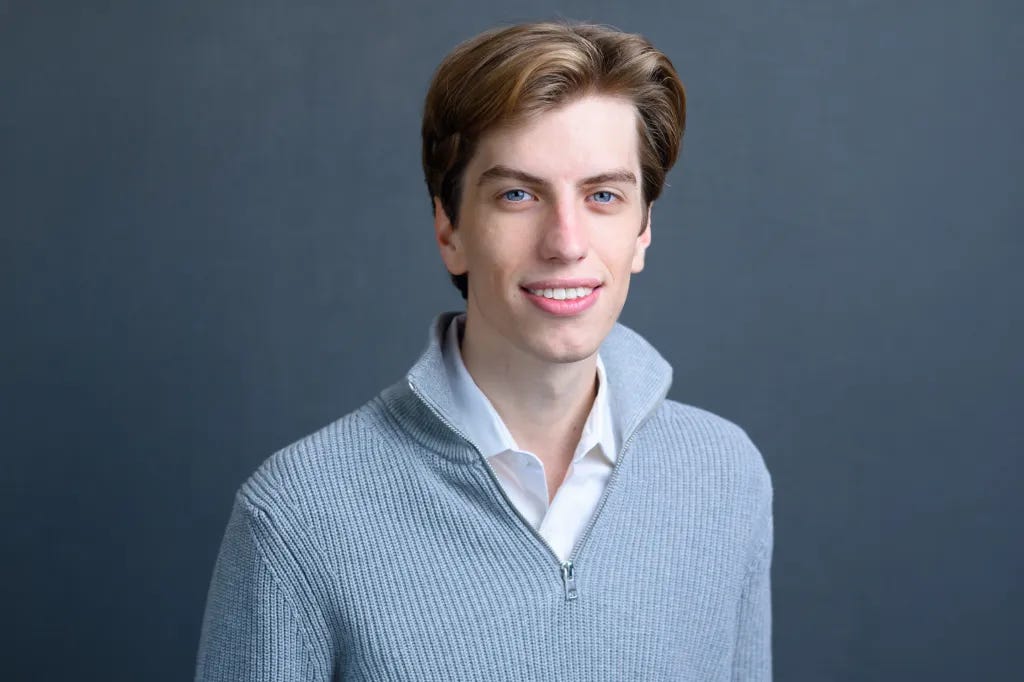
Remember how I said above that I don’t love reporting personality-driven, gossipy profiles? Forget that: I absolutely was thrilled to dig into the strange, unlikely story of Leopold Aschenbrenner. And dig I did — one of my absolute favorite stories of 2025, published in October.
The 23-year-old’s career didn’t exactly start auspiciously: He spent time at the philanthropy arm of Sam Bankman-Fried’s now-bankrupt FTX cryptocurrency exchange before a controversial year at OpenAI, where he was ultimately fired. Then, just two months after being booted out of the most influential company in AI, he penned an AI manifesto that went viral—and used it as a launching pad for a hedge fund that now manages more than $1.5 billion. That’s modest by hedge-fund standards but remarkable for someone barely out of college. Just four years after graduating from Columbia, Aschenbrenner is holding private discussions with tech CEOs, investors, and policymakers who treat him as a kind of prophet of the AI age.
Meet the power broker of the AI age: OpenAI’s ‘builder-in-chief’ helping to turn Sam Altman’s trillion-dollar data center dreams into reality
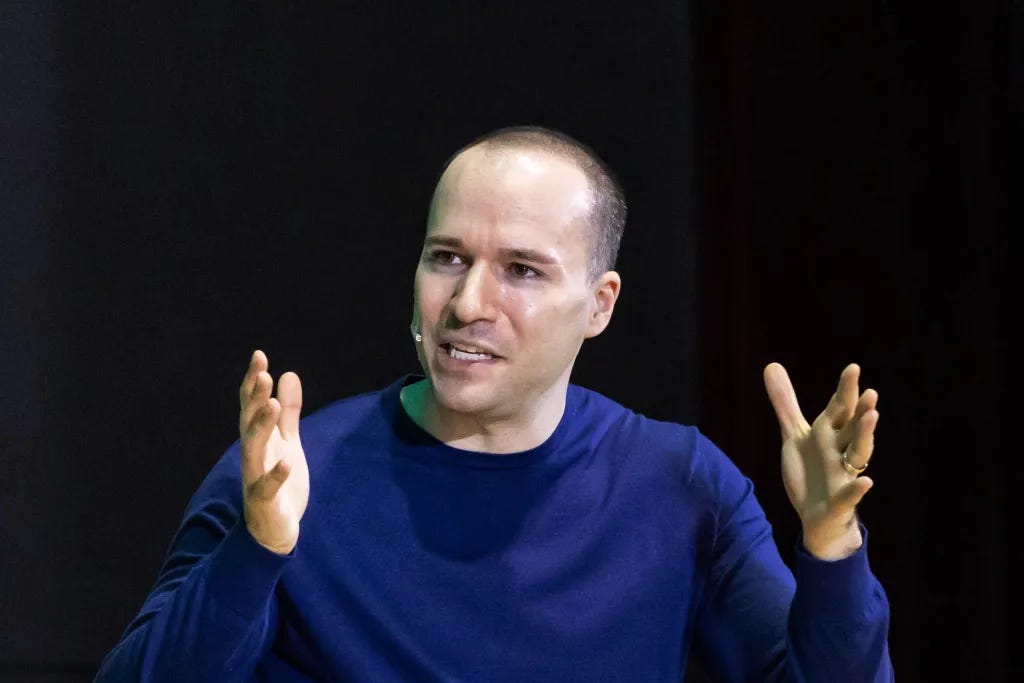
I had long wondered why I wasn’t seeing any in-depth stories about OpenAI president Greg Brockman. After all, he had dropped out of sight by taking a sabbatical in the fall of 2024, and then reemerged as the company’s AI infrastructure power broker after President Trump was inaugurated. I was glad to have a chance to speak to him one-on-one for this November 2025 story — Brockman is clearly incredibly smart and constantly learning. I only wish I had more time to interview him.
Sam Altman may be OpenAI’s globe-trotting visionary and public face of the company, but it is Brockman, his longtime ally and cofounder, who has become the company’s high-visibility operator. He is the executive leading OpenAI’s aggressive infrastructure build-out, a project to which it has already committed roughly $1.4 trillion to deploying the equivalent of 30 gigawatts of compute capacity. That also makes Brockman the point person for a high-stakes financial gamble, given that the company is reportedly currently making only about $13 billion a year in revenue.
At the edges of the AI data center boom, rural America is up against Silicon Valley billions
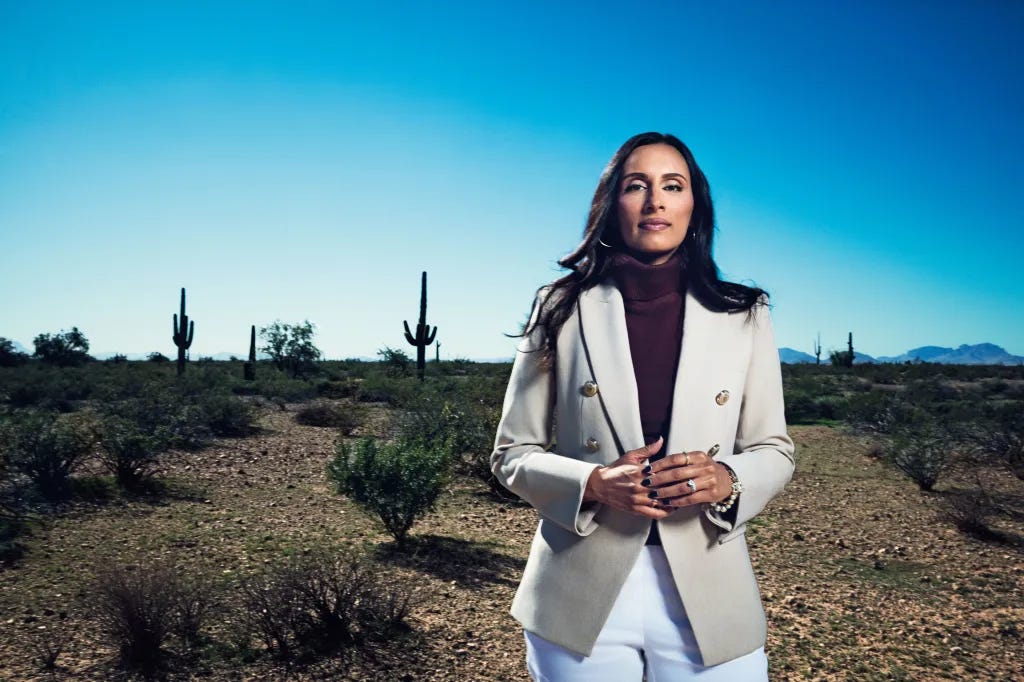
Finally, in December I wrapped up my year of big stories with this one on how AI data center projects are touching off tense fights among developers, environmentalists, and rural residents—many of which end up in places like the Maricopa County supervisors’ auditorium.
The land around Hassayampa Ranch, 50 miles west of Phoenix, is dotted with saguaro cacti and home to coyotes, jackrabbits, and rattlesnakes. Its few hundred human residents were largely drawn by the tranquility and clear skies for stargazing. But some of the biggest names in tech are suddenly very interested in what happens on this serene stretch of desert. The region once dominated by ranches and farmland will soon become a new kind of tech hub—one that’s largely unpeopled, made up of row upon row of humming, energy- and water-hungry GPU racks in gigantic AI data centers. And there’s not much locals can do about it.