

JLL says community pushback is now the ‘defining challenge’ for the data center boom
After decades of communities welcoming data centers, an executive at the commercial real estate giant says the sudden wave of local resistance is a ‘wake up call for the industry.’

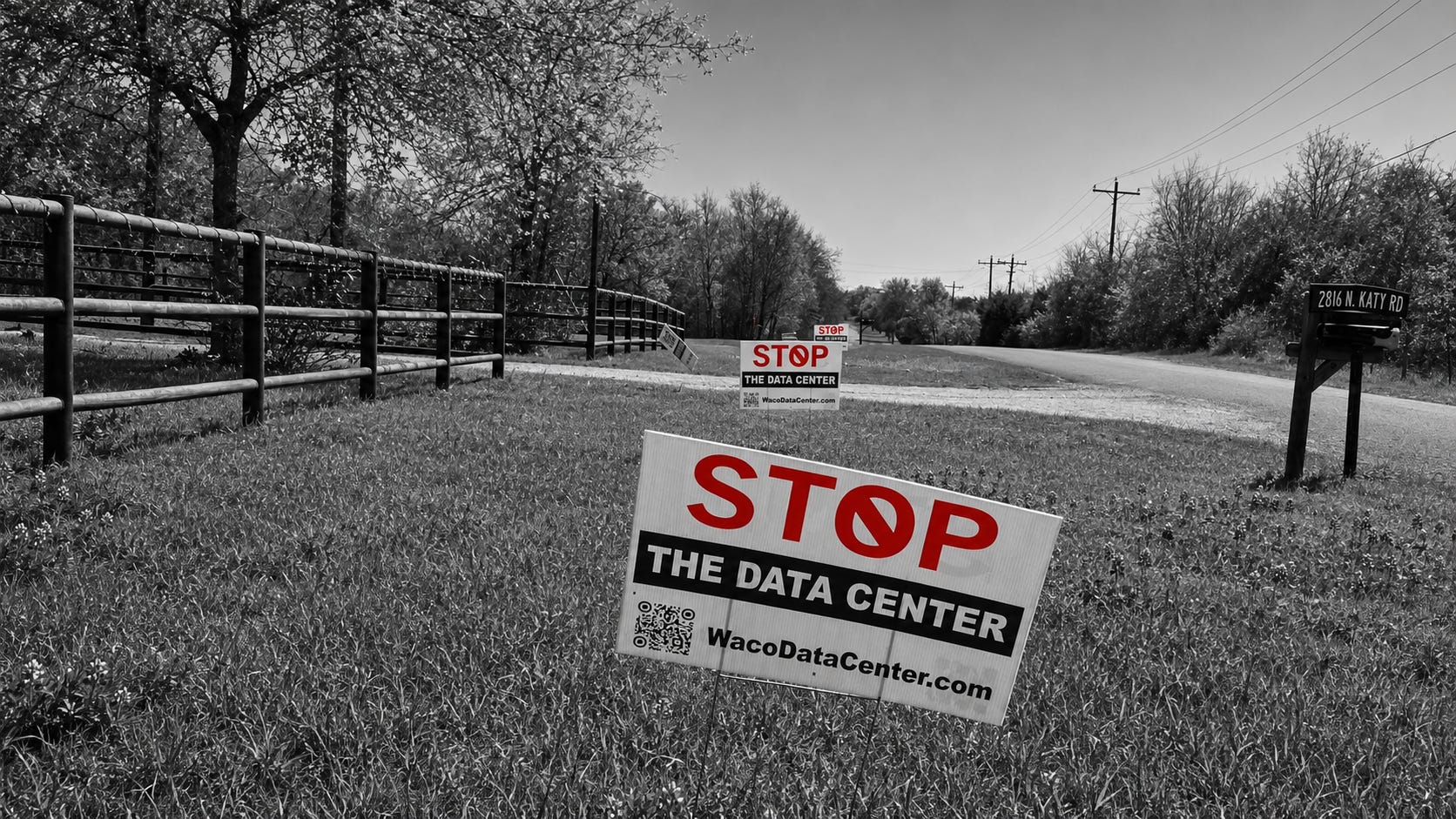
The first half of 2026 has brought unprecedented demand for AI data centers, as well as massive community pushback in the U.S. — with only 14% supporting data center development in their community, according to a new report from commercial real estate giant JLL, which acts as a global data center advisor and development partner.
In a press release announcing the report, the company said the lack of community acceptance had emerged “as the defining challenge for this next phase of growth.”
Long before the generative AI boom, data centers had been around for decades, housing the servers and networking equipment that power cloud computing, websites, streaming services, business applications and much of the rest of the internet. But for most of that history, they attracted relatively little public attention.
I spoke to Sean Farney, JLL’s vice president of data center strategy, this week. For most of his career, he said, communities tended to welcome data center development.
“For folks like me who’ve been doing this a really long time in obscurity, no one knew what we did, no one cared,” he said. “We didn’t hear about resistance, we heard about acceptance.”
Farney recalled building a data center outside of Chicago: “I kept 600 union electricians busy for nine months on triple shifts, and put a lot of their kids through college, and put food on a lot of the tables. So we’re used to communities saying, ‘Bring us this tax base, tons of jobs, tons of spend. We get new infrastructure.’”
Now, Farney said, that relationship has abruptly changed. Community resistance has become “a bit of a wake-up call for the industry” — and it is beginning to affect where data centers actually get built.
“The projects are moving around now a lot more because of this pushback,” he said, calling community resistance “the greatest new factor that we’re seeing” over the past nine to 12 months.
“We need to do way better at being transparent and marketing all the benefits of data centers because we haven’t,” he added. “We’ve been really busy building, and we just haven’t spent time on explaining.”
An industry built on secrecy
Part of the problem, Farney acknowledged, may be that the data center industry spent decades deliberately keeping a low profile. Companies often formed LLCs to obscure who was behind a project and required nondisclosure agreements during the development process, because hyperscalers didn’t want competitors to know where they were buying land or planning their next facilities.
“Why are we so secretive? Because Microsoft’s building over here. They don’t want Google to know over here, so Google would come and try to grab the land,” Farney said.
But practices that made commercial sense when data centers attracted little attention look different amid today’s backlash. Farney acknowledged that the industry may now have to rethink some of them.
“If that would help, no NDAs and being more transparent...that could be a small thing that could be done to start to get some credibility and trust back,” he said.
