

EXCLUSIVE: Meta's mega Louisiana data center is getting even bigger. Six months after my visit, I checked in with local residents
As Meta's AI campus grows from $27 billion to $50 billion, I checked back with the residents and entrepreneurs I met in February. Some are thriving. Others are struggling more than ever.

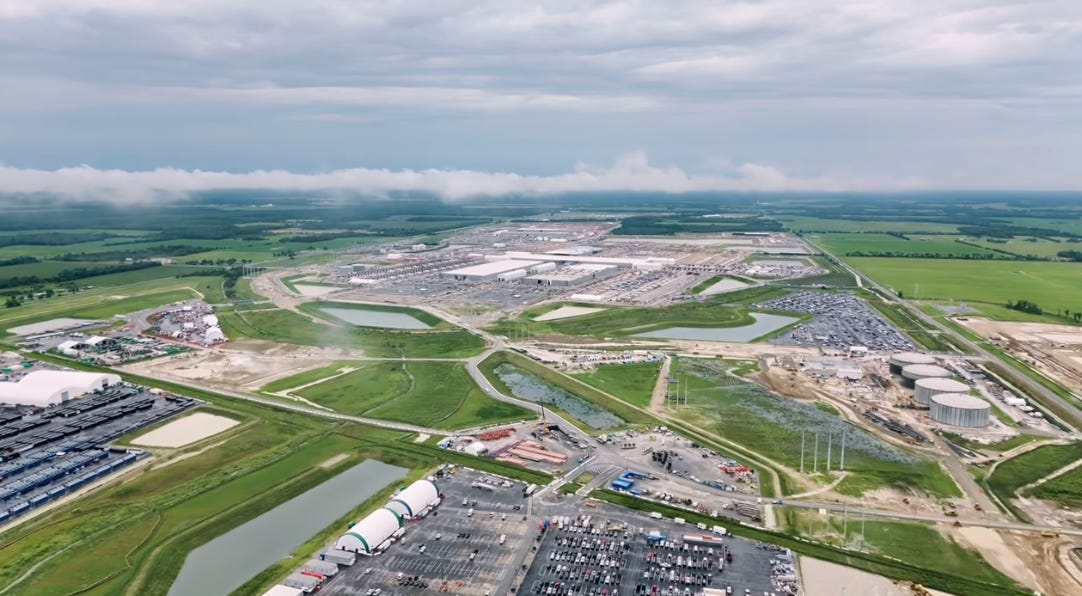
Yesterday, Meta announced a massive expansion to its planned Hyperion AI data center in northeast Louisiana. What was first revealed as a $10 billion project, and then a $27 billion project, has now ballooned to $50 billion and 5 gigawatts — equivalent to the output of several nuclear reactors or enough to power several million homes.
The latest news comes as a large grassroots and political backlash against AI data centers has kicked into high gear across the U.S., with residents in affected local communities concerned about everything from strain on the electrical grid and rising utility bills to worries about local water use and noise pollution.
But Meta’s project in Richland Parish was an early entrant into the mega AI data center trend in December 2024, and its expansion was already an open secret among locals. I visited the site the first week of February this year, and shared a Fortune scoop about the expansion of the original mega-build, in which I reported that Meta had quietly purchased roughly 1,400 acres—an area almost twice the size of Manhattan’s Central Park—adjacent to the original 2,250-acre site.
My visit to Richland Parish, which culminated in my Fortune magazine feature Meta’s $27 billion AI data center is causing chaos in small town Louisiana came just a week after a devastating ice event caused by winter storm Fern, which caused massive power outages as well as thousands of downed trees and utility poles.
As I said in a post detailing my on-the-ground reporting at the site, I was amazed by the transformation of this county in northeast Louisiana, where cotton and soybean fields have been replaced by a construction site so large that it stretched roughly five miles from top to bottom, and another mile or so wide.
Nearly six months later, I thought I’d check back in with the residents and business owners who I met with in the communities impacted by the Meta Hyperion site. If you read my original story, you’ll remember Tim and Lindsey from Holy Tacos; Katie and Logan from Opal’s Orange Food Truck; Chris from Holy Dippers; Kayla from the South Stuart RV Park; and, of course, Erika and Amber — my local wing-women who helped me tour the Meta site and the local area.
A lot has changed in six months. For some, the Meta AI data center has brought even more opportunities than when I visited in February. For others, life has become even more difficult — from serious issues like evictions and price-gouging to simply overwhelming traffic at the local Walmart.
I'm making this story free because I want it to reach as many people as possible. Ground Level AI is built on original reporting—from AI labs and boardrooms to the communities where the technology is changing people's lives. If you value this kind of original, on-the-ground reporting—and want to help make more of it possible—I hope you'll consider becoming a paid subscriber to Ground Level AI.
Here’s how they’re all doing now:
Tim and Lindsey Allen, owners of Holy Tacos in Rayville, Louisiana
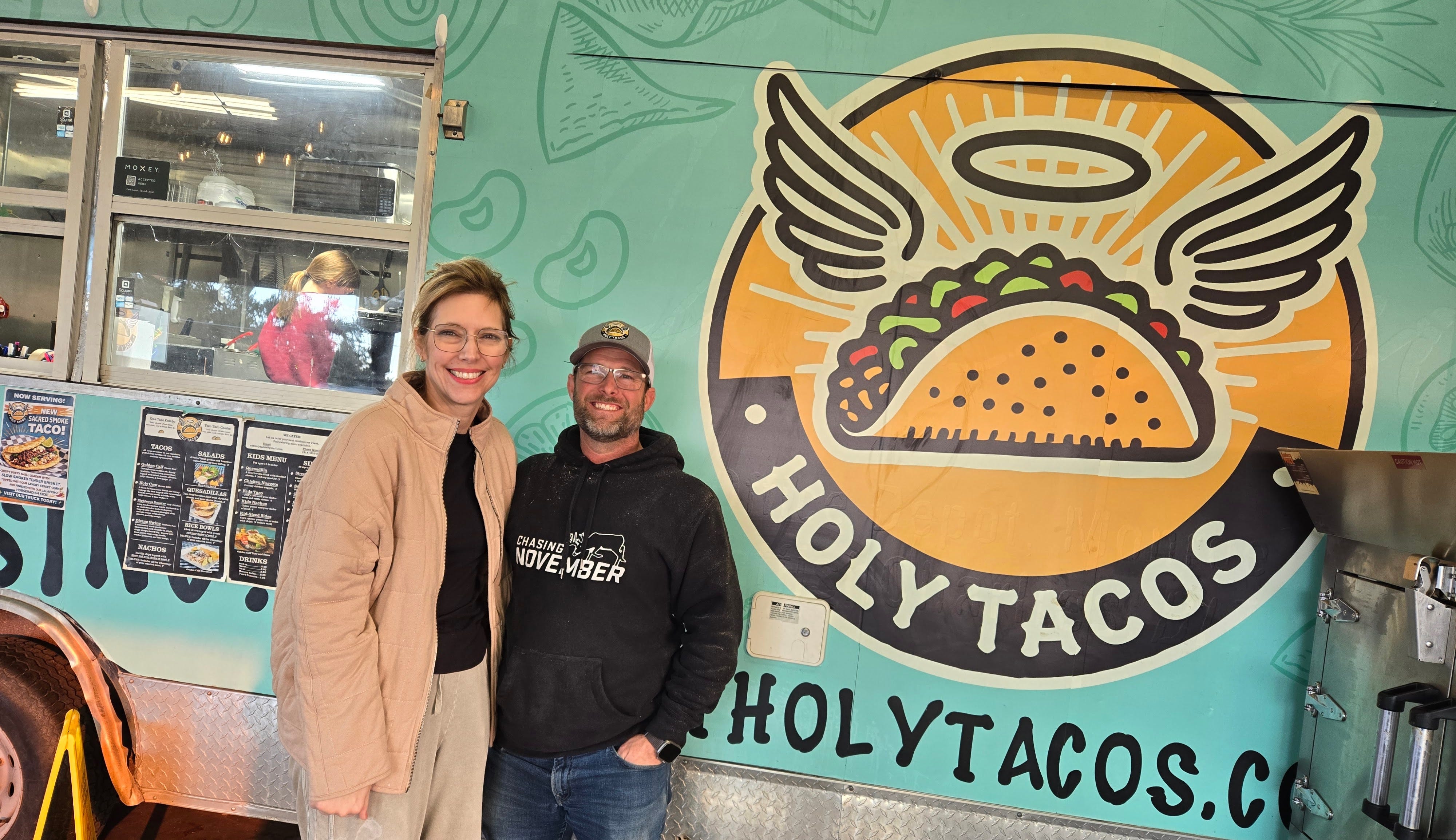
When I first met Tim and Lindsey Allen, they were preparing over 1,600 tacos at their food truck Holy Tacos with names like “Divine Swine” (smoked pork), “Righteous Rooster” (braised chicken), and “Golden Calf” (brisket), for construction workers on the Meta site. Tim, a father of five and children’s pastor at the First Baptist Church, said it was “a huge blessing” that would have been unthinkable a year earlier when they decided to start their taco truck after hearing that Meta was coming to town.
Here’s what Tim says now:
On Meta’s data center expansion: “We just left the big Meta announcement of their expansion. We got to go down last night to kind of a party in New Orleans and then to the press conference today. That was exciting.”
On infrastructure changes near the site: “Gravel roads are now paved roads. Some of them have turning lanes. We had zero red lights out there. Now there’s four. They built parking lots and they try to bring trucks in at night so they don’t interfere with the local traffic as much as possible.”
On local traffic: “Traffic is still one of the biggest complaints, which really blows my mind. There’s the economic boost that this has given our region, and we’re going to complain about traffic?”
On catering for Meta: “We get to do anywhere from two to four big catering orders a month for Meta. We were probably doing one to two when you were here, so that has definitely increased, and we are we’re happy to do it.”
On more workers in the area: “There were probably 3500 when you were here, I think the latest estimates are over eight thousand.”
On opinions in the community about the data center: “There’s still mixed feelings. What you see now is people who don’t like it are more vocal, and people who like it are more vocal. So it’s like this dividing line that has been drawn, and either you’re for it or you’re against it, and the reasons haven’t changed.”
Kayla Caskey, owner of South Stuart RV Park
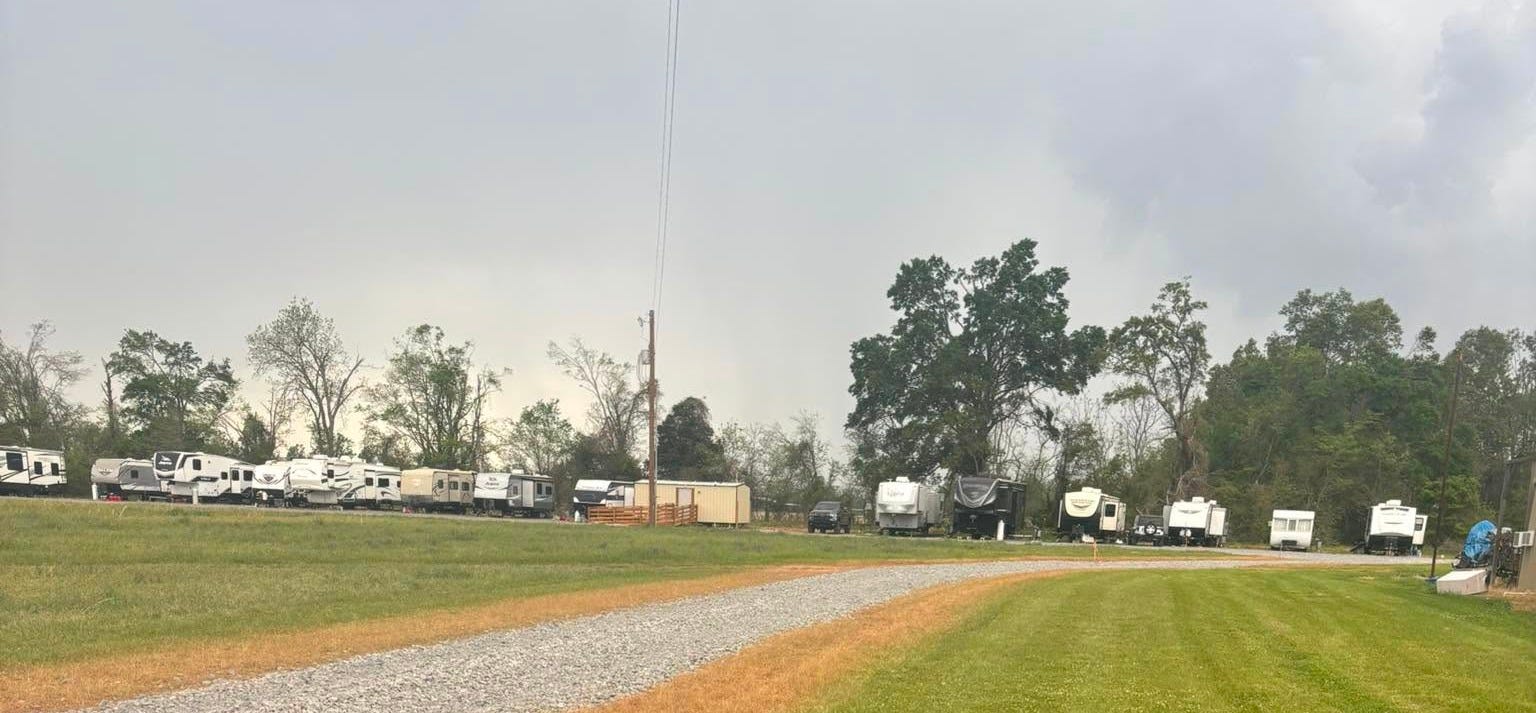
I spoke to Kayla Caskey when I saw a Facebook Page for her small, family-run RV park near the Meta site. She grew up on the land where the park now sits, and she and her family navigated zoning rules to turn it into a 12-spot RV park when she heard Meta workers would need a place to stay.
Here’s what Kayla says now:
On how the RV park is doing: “It’s been good. We’ve had a lot of turnover. People’s jobs have ended, or they moved on to a different job. But we’ve been able to stay full and even keep a small wait list. People call almost daily looking for a spot.”
On who the workers are: “Most are single people. A lot are from South Louisiana, like the Baton Rouge area and a further south. Some are Hispanic from the Texas area, and we don’t speak Spanish, so we just use like a translator app. “
On what the construction is like: “I’m not sure people in the area will ever get used to the work being done or the traffic coming through. I believe it’s made life a lot more difficult for just a common person living in Richland Parish. It’s more chaotic at the Walmart in Rayville — definitely don’t go there on a Friday afternoon. I think people just prefer to see normal faces of people they know when they’re out in the community versus strangers coming in that may or may not appreciate everything that is there.”
On change in the community: We are benefiting from the Meta site and there are several other businesses in town obviously benefiting from it as well. But it’s also caused prices to rise for everyone else. Even my mom’s electric bill has gone up. Our electric for the park, I feel like it is outrageous compared to what it would be like if Meta was not in the area. But then Meta just gave local teachers a nice little bonus as well. So you know, change is always hard for everyone. It just depends on your opinion of the change.”
Erika James and Amber Perez
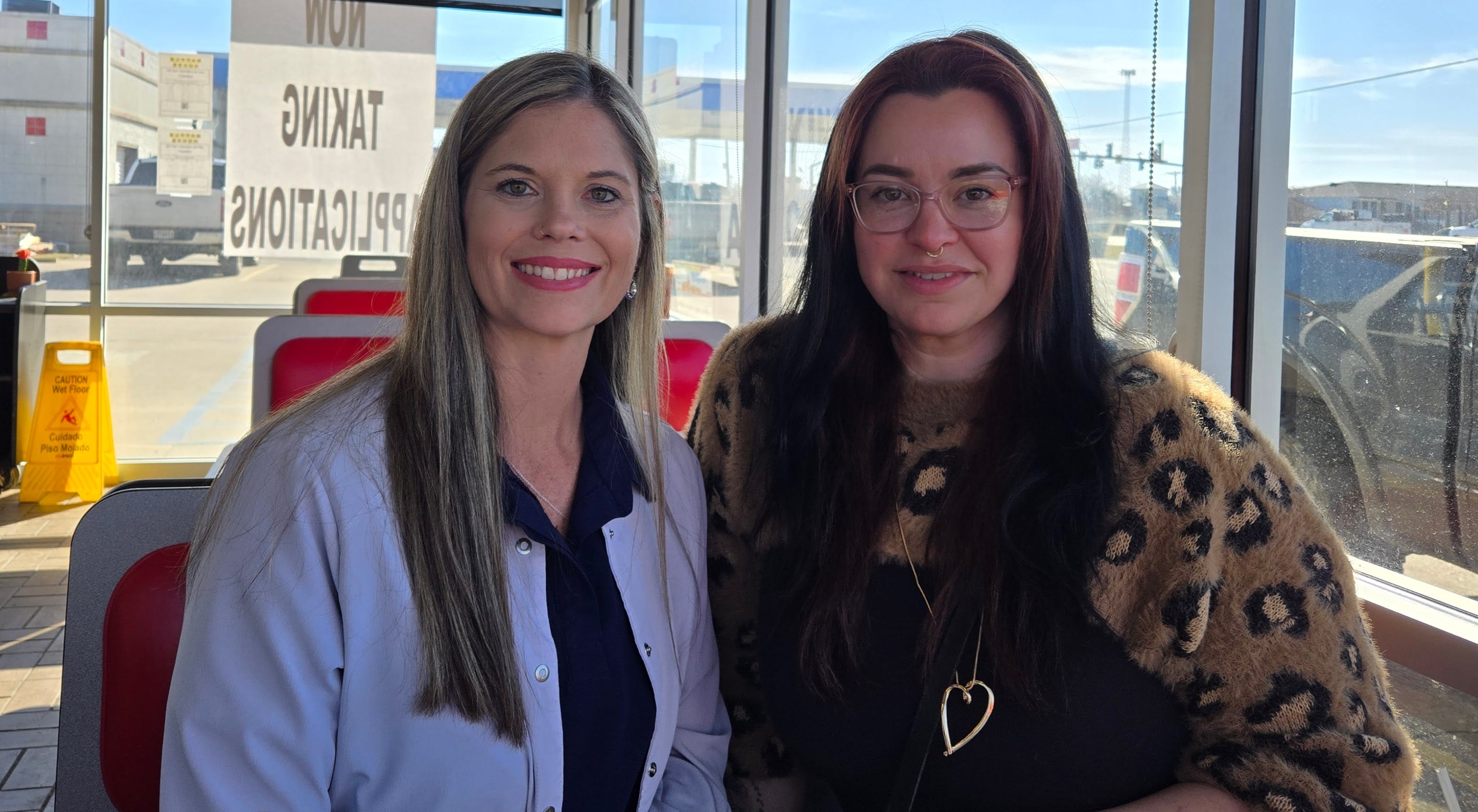
I met Amber Perez, a local community activist and journalist, through her Facebook page. She offered to spend the day showing me around the area when I arrived in Richland Parish. She brought along her friend Erika James, a 34-year-old mother of two who grew up in Richland Parish and was now living in a mobile home park in Monroe, a small regional hub about 30 minutes west of the Meta site. Erika had told me her rent increased several times over the previous six months. In late March, she received an eviction notice after paying her rent just one day late, giving her family five days to move out.
Here’s what Erika and Amber say now:
ERIKA:
On where she and her family are living now: “We got down to a day left without finding a place. I’m not gonna lie to you, I had a breakdown because I’m like, we literally have nowhere to go. I just happened to come across this house in Monroe that had been for sale and was empty. But it had holes in the wall, no electricity and no gas, and he graciously agreed to pull it off the market and let us rent it, and which we’ve been fixing it up for him too just as a thank you. But it was very hard. I mean, it was the week of Easter. We moved everything in about less than 48 hours.”
On other families also being evicted: “My old neighbor has been reaching out to me nonstop via Facebook, and the landlord is doing the same thing to them. I’m trying to help them find something, but there’s just nothing available. It’s really sad because you have all of these people coming in from Meta, but you don’t have the infrastructure or the housing to support it. So you’re pushing your local people out. You’re pricing them out.”
On Meta workers moving into her old place: “I know 100% that they’re Meta people sharing the house because they all drive trucks to the site and there’s like 4, 5 or 6 trucks parked at the house. It’s pretty affordable for them to pay double the rent, but for us that live here, my nursing pay doesn’t change based on Meta being here. Don’t get me wrong, the people who own the houses are benefiting from it, and that’s great. But what I’m seeing is the downside that no one prepared the community for. There’s just not enough housing for your people that were already here.”
AMBER:
On how the community is feeling now about the Meta project: “I think it’s still pretty split, but both sides are getting a little bit more vocal. It’s more of a conversation than it was, but the people who support it are able to profit from it or are already financially well off. And then anyone who’s not profiting off of it or kind of sees it for what it is, they don’t support it.”On the Meta expansion: “For me, it’s just insulting that six months after you wrote your article and I put one on Facebook locally, they act like this is breaking news. It’s just insulting to the intelligence of the community, in my opinion.”
On the local housing crisis: “The local landlords are pricing people at Meta income prices. People are having trouble finding places to live that are affordable for this area. Rent was already a little bit too high for the average pay here, and now it’s unaffordable altogether. I’ve talked to a lot of families who are living with multiple families in a single-family home, just making extreme sacrifices to get by, or they’re planning for their lease renewals because they know a rent raise is coming.”
On preparation for housing shortage: “You’ll hear leaders like Mayor Friday Ellis in Monroe say how much preparation he put into the economic growth for the area. That’s fine, but I don’t see any evidence that any politician prepared for a temporary rental increase regulation or something else to protect the current residents. I don’t know what the answer is, but they did nothing to even attempt to to save the locals from experiencing this.”
Katie and Logan Stewart, owners of Opal’s Orange Food Truck
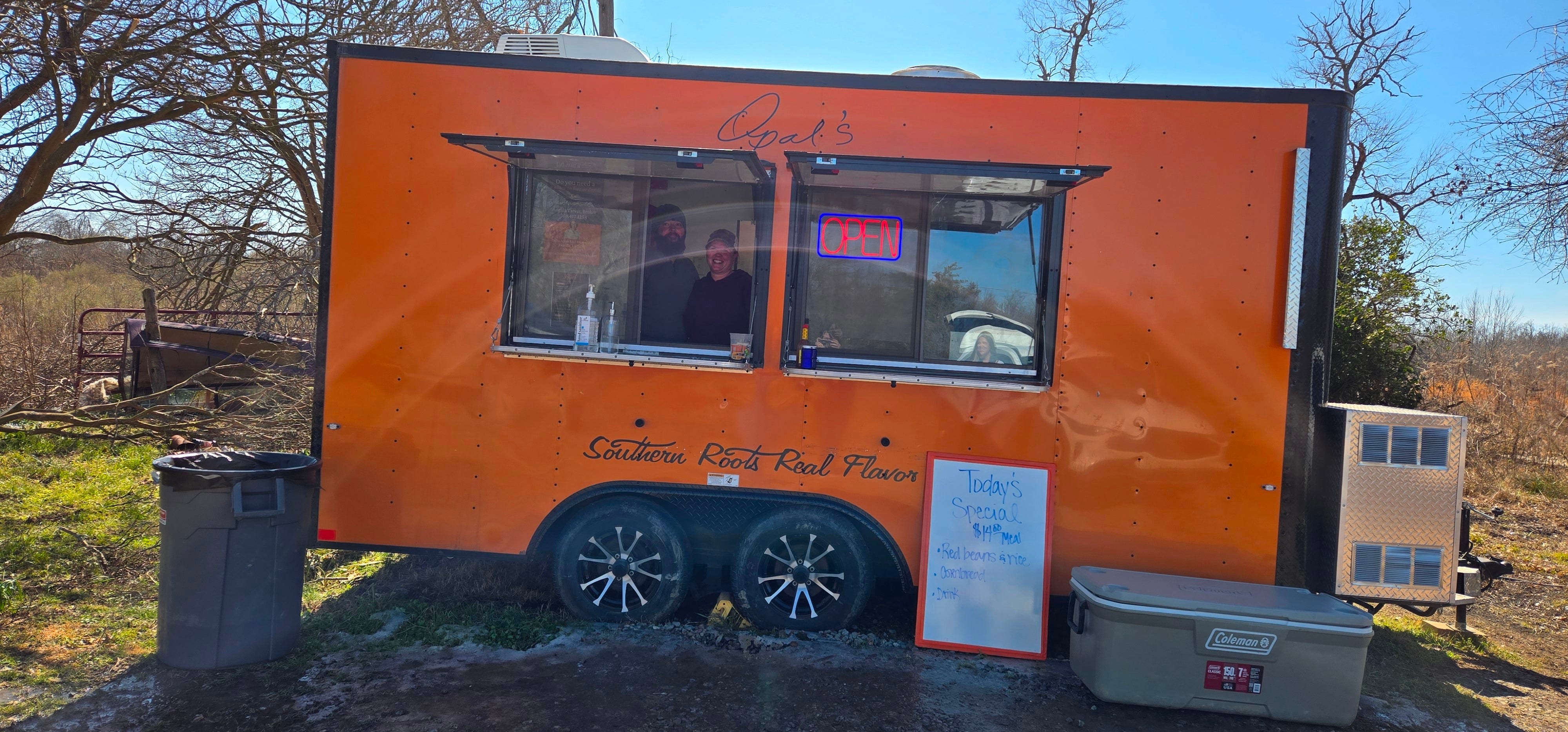
A local Richland Parish resident put me in touch with Katie and Logan Stewart, who invested more than $40,000 of their life savings into Opal’s Orange Food Truck after seeing construction workers post on Facebook asking for food options near the Meta site. They started out strong, but when one of the project’s main contractors brought in an out-of-state catering company to feed workers on-site, much of the foot traffic Opal’s had counted on disappeared. The couple insisted they were planning on sticking it out. I also visited the rural dead-end street where the couple lives nearby, on which several new RV parks were being built for Meta workers.
Here’s what Katie says now:
On how Opal’s Orange Food Truck is doing: “Well, things are great at the food truck. We hate the traffic and the increased amount of people that are impeding on our lives, but the food truck business is doing great. We’ve done some catering orders for Meta and our daily numbers are around 70 orders at minimum. I think it was 137 orders two weeks ago on a Friday. People know where we are, and they they are coming to us. I think it just took a little bit to get the word out.”
On Opal’s most popular orders: “Hamburgers are our most popular, but we introduced alligator po’ boys, and that is a big hit. We do it every other Thursday, and we sell out every time.”
How life on their street has changed with the RV parks: “It’s worse. There are around 2,000 people living on this little road. One of the parks has four rows of RVs moved in, and another is completely full and they are putting in 15 mini-cabins. You see families walking around with their children and dogs. On top of that, one of them got a license to sell alcohol. He got approved to sell beer, and this is the only place that sells alcohol within an eight-mile radius. And I mean, the house right across the road from him has kids from a nine-month-old to age four.”
On the Meta traffic: “Our roads are horrible. The trucks have already collapsed a culvert on Castro Road and it’s not even completely fixed. You cannot go down any side road without doing maybe five miles per hour. If you if you try to go anywhere between 4 and 5 o’clock, it’s gonna take you 40 minutes to get just to Rayville.”
On hoping to sell their home: “We still haven’t sold. There’s been no interest in our property, I’m not sure why. But every house on our road is for sale.”
Chris Holyfield, owner of Holy Dippers
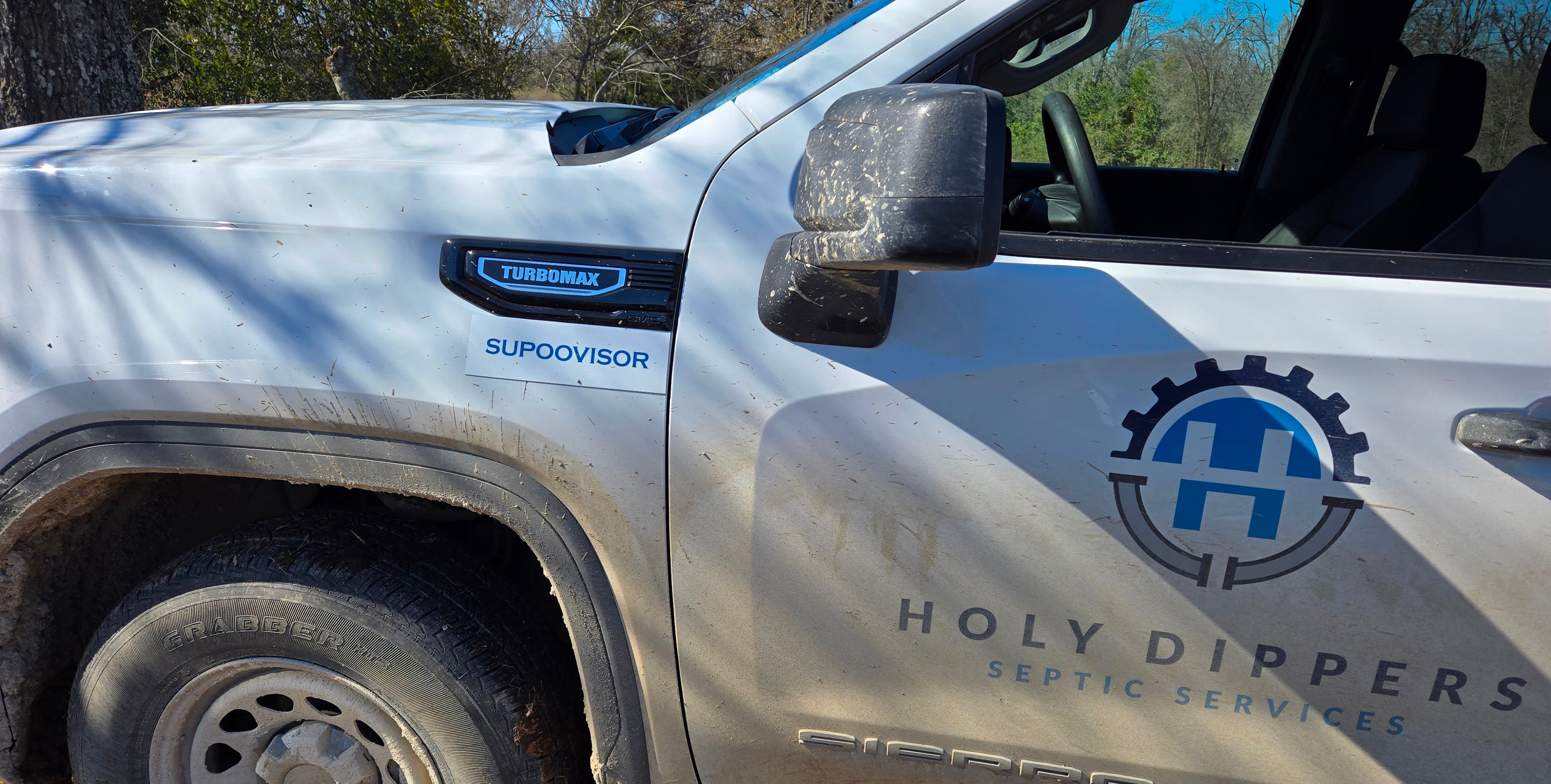
I met the Holy Dippers guys while enjoying beans and rice from Opal’s Orange Food Truck. Holy Dippers was created specifically by owner Chris Holyfield to serve the Meta construction project, supplying septic services and eco-friendly restroom facilities for Meta workers—58 units so far, with more to be added as construction ramps up. Holyfield also owns two restaurants in Monroe that do catering work for the Meta site.
Here’s what Chris says now:
On how Holy Dippers is expanding: “We’re actually trying to grow nationwide now. We’re looking all the way from Wyoming in the west to Georgia and Florida in the the east. We’ve leased a bigger office in Monroe and we’re up to 26 employees and 17 trucks.”
On meeting with other data center developers: “We’re trying to land them as we speak. We’re meeting with at least a dozen different data centers, from Shreveport, Louisiana to Wisconsin to Texas. We’ve got some up in Ohio, and one in Indiana, two in Missouri. We’re in the process of meeting with contractors and dealing with the ownership groups, and hopefully we can land a few.”
On his family’s restaurants working with Meta: “My dad and my sister’s husband run the Delta Biscuit Company, and my sister, myself, and my dad have Apero. We’ve been fortunate enough to be able to continue serving food out there for the Meta workers.”
Thanks for reading. If you enjoyed this story, please consider sharing it.